Cutting-edge technology
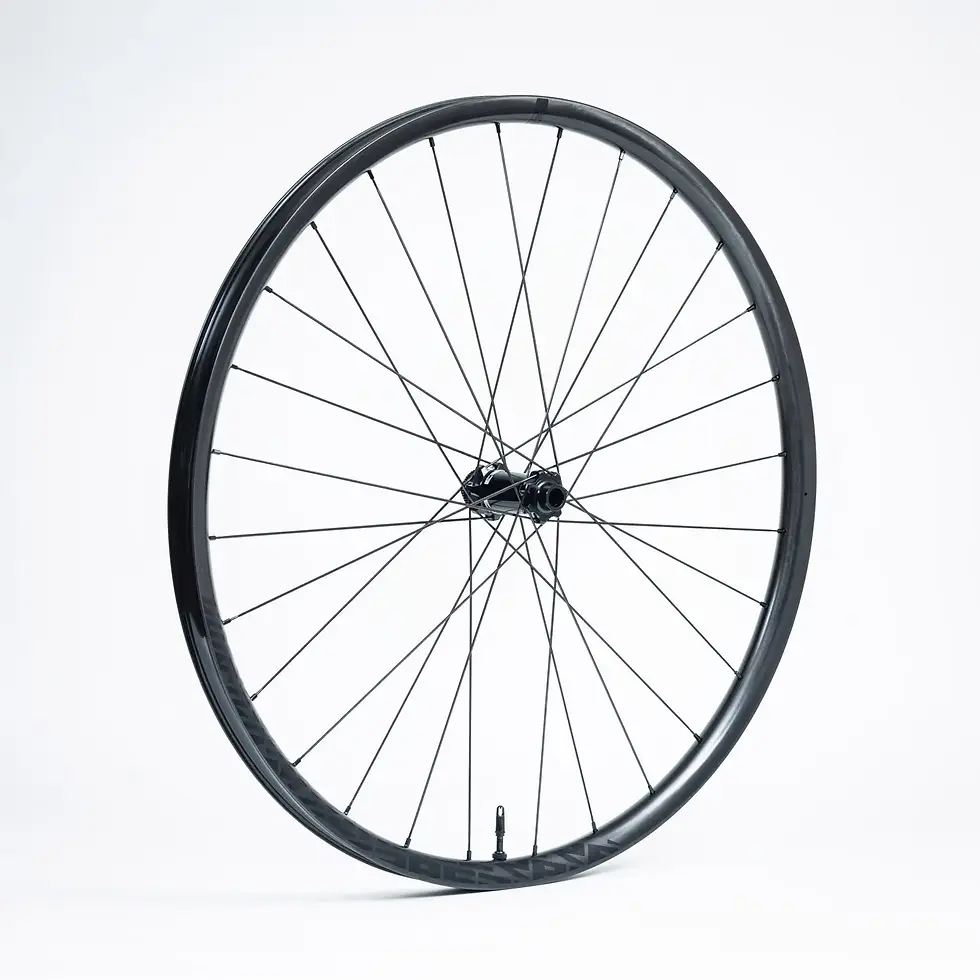
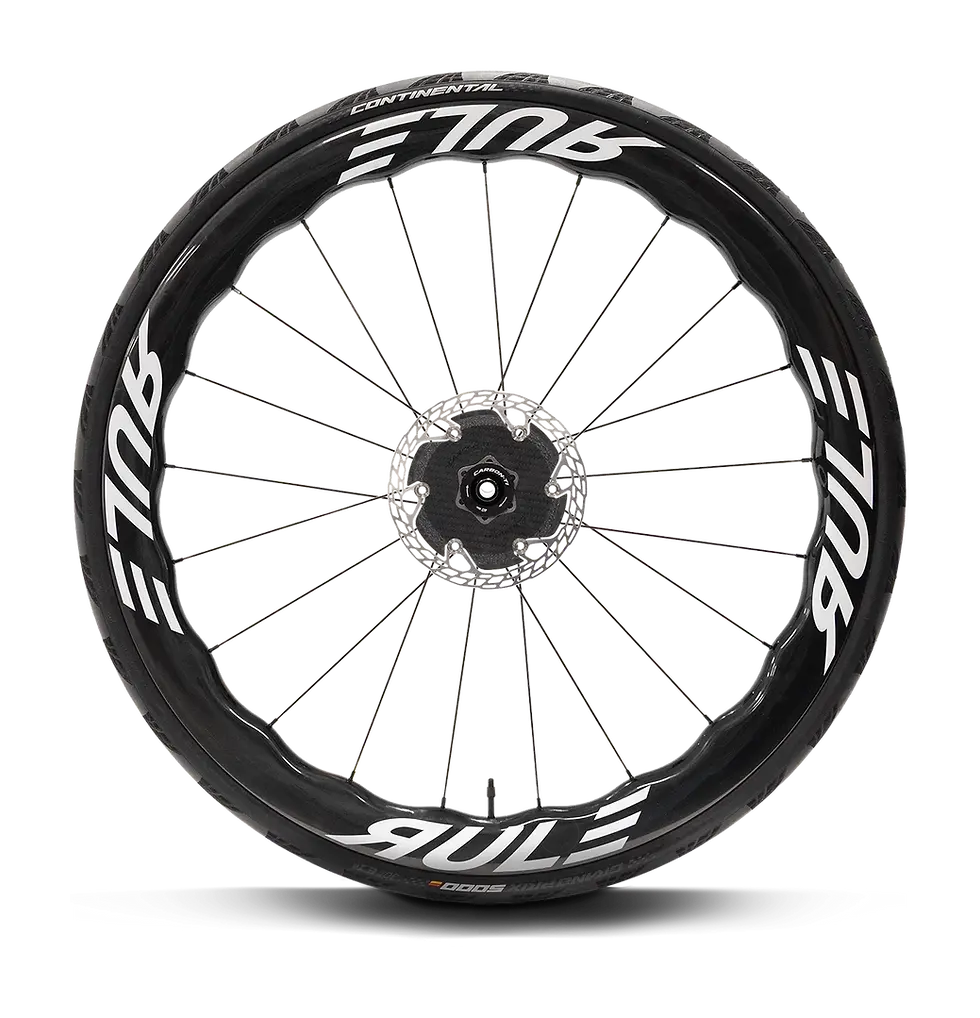
Our SLS5 (Super Light Series 5) process combines optimized carbon fiber lay-ups with an exclusive aerospace-grade resin.
10% lighter than its SLS4 equivalent.
15% more vertical compliance for better dynamic response. Increased resistance to lateral stresses and vertical shocks.
Improved vibration damping for more comfort and control.
We have also introduced two groundbreaking technologies:
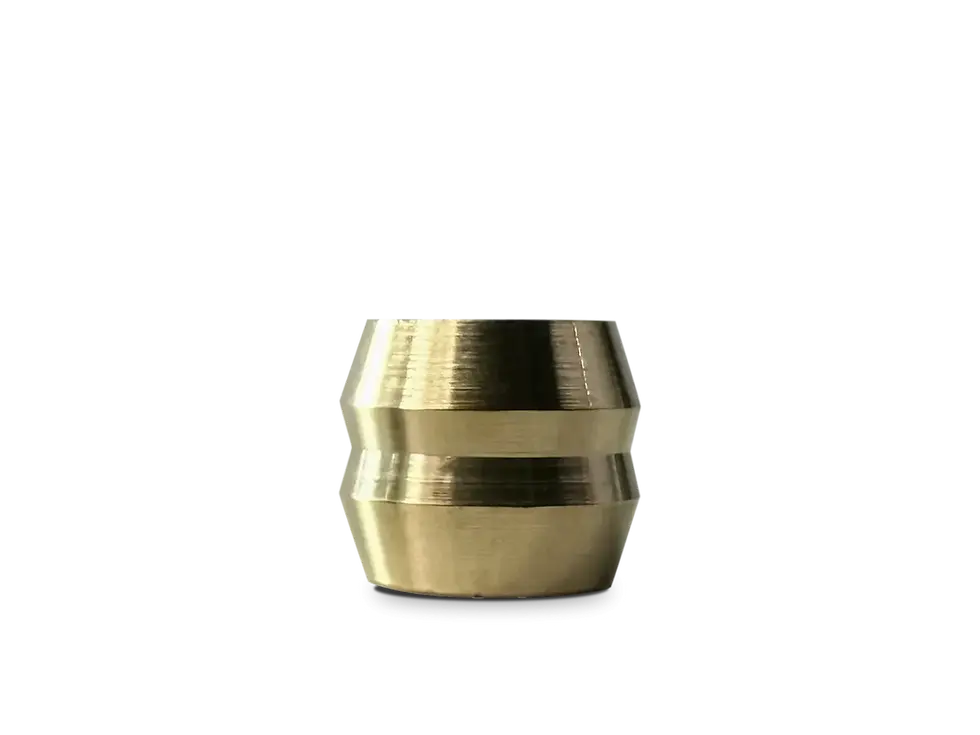
ImpactGuard – Energy-absorbing inserts with high resilience
Inserts, pressure-injected into hollow cavities on either side of the rim, absorb both low- and high-intensity impacts. They offer maximum protection without adding unnecessary weight. Their density is comparable to that of our carbon fiber.
SpokeCore – Molded Spoke Holes
Thanks to an advanced manufacturing process, the spoke holes are cast directly into the rim structure. This eliminates the weak points and stiffness changes often caused by drilling. The result: a one-piece construction that increases durability, allows for fewer spokes, maintains precise stiffness control, and guarantees exceptional reliability.
The Lucky Jack SLS5 Promise
By shaving the weight off the new Lucky Jack, we’ve made the bike more agile through technical sections and more responsive to changes in tempo. But weight isn't everything. Thanks to our DRC (Dynamic Response Comfort) technology, fully integrated into the SLS5 process, the new Lucky Jack delivers controlled deformation and optimized rebound management. What does that mean on the trail?
Increased responsiveness
Energy stored upon entering a turn is unleashed for explosive acceleration.
Better grip
Whether braking or accelerating, power transfer to the ground is optimized. You feel more grip in corners and through technical terrain.
Increased comfort
Less fatigue in your upper body, even on long, demanding rides.
Greater control
Your bike feels calmer and more stable when the terrain gets rough.
Proven reliability
Unlike aluminum, carbon fiber does not fatigue under stress. By distributing force across the rim, this reduces the risk of failure.
_edited.jpg)














.png)
.png)

